Navigating the world of finance can be daunting, especially when seeking a small business loan. Understanding the types of loans available and the preparation required is essential for success. Additionally, improving your credit score and crafting a solid business plan can significantly impact your chances of loan approval. In this blog post, we’ll guide you through the application process and provide valuable tips for securing a small business loan, empowering you to take the necessary steps towards your entrepreneurial goals.
Understanding Small Business Loans
Small business loans provide essential funding for entrepreneurs looking to launch or expand their businesses. Essentially, these loans allow you to access capital that can support various endeavors, such as purchasing equipment, managing cash flow, or funding marketing strategies.
Key Features of Small Business Loans:
- Amount: Typically range from a few thousand to several million dollars, depending on the lender and your business needs.
- Term Length: Can vary from short-term (a few months) to long-term (up to 25 years).
- Interest Rates: Generally depend on the loan type and your creditworthiness, ranging from low to moderate rates.
- Repayment Terms: Vary by lender and can involve fixed or variable payments.
Understanding the nuances of small business loans is crucial before you apply. Each loan type—such as SBA loans, lines of credit, and equipment financing—serves different purposes. Consequently, analyzing your business’s financial needs will help you choose the right small business loan that meets your growth objectives effectively.
Types of Small Business Loans Available
Understanding the different types of small business loans is crucial for selecting the right funding option for your needs. Here are some common types:
- Term Loans: These are traditional loans with a fixed repayment schedule. They typically offer lower interest rates and are ideal for larger projects.
- SBA Loans: Backed by the Small Business Administration, these loans often provide favorable terms, including lower down payments and longer repayment periods, making them suitable for startups.
- Business Lines of Credit: This flexible option allows you to borrow up to a certain limit, only paying interest on the amount drawn. It’s perfect for managing cash flow or unexpected expenses.
- Equipment Financing: Specifically designed for purchasing equipment, this small business loan can cover up to 100% of the equipment cost, with the equipment itself serving as collateral.
- Invoice Financing: This option helps you get advances on unpaid invoices, improving your cash flow without taking on additional debt.
Comparison Table of Loan Types
| Loan Type | Interest Rates | Repayment Terms | Use Case |
|---|---|---|---|
| Term Loans | Moderate | 1-5 years | Large purchases |
| SBA Loans | Lower than average | Up to 25 years | Startups and expansions |
| Business Lines of Credit | Varies | Revolving | Cash flow management |
| Equipment Financing | Moderate | 1-7 years | Asset acquisition |
| Invoice Financing | Varies | Based on invoice terms | Immediate cash flow needs |
Choose the best small business loan type that aligns with your specific needs and financial situation.
Preparing Your Business Plan
Crafting a thorough business plan is a critical step when applying for a small business loan. Lenders want to see that you have a well-structured plan showcasing your business’s potential for success. Here’s what to include:
- Executive Summary: Provide a brief overview of your business, including its purpose, goals, and target market.
- Market Analysis: Research and analyze your industry and competitors. This section should demonstrate your understanding of market trends and customer needs.
- Organization and Management: Outline your business’s organizational structure, detailing the roles of key team members and their qualifications.
- Services or Products: Describe what you offer, including benefits and unique features.
- Marketing Strategy: Explain how you plan to attract and retain customers.
- Financial Projections: Include forecasts for revenue, expenses, and profitability over the next three to five years.
- Funding Request: Clearly state how much funding you need, how you’ll use the small business loan, and your repayment plan.
By meticulously preparing your business plan, you significantly increase your chances of securing a small business loan. A well-organized plan not only impresses lenders but also serves as a roadmap for your business’s growth.
Improving Your Credit Score
A strong credit score is essential when applying for a small business loan. Here are key steps to enhance your creditworthiness:
- Check Your Credit Report: Begin by reviewing your credit report for errors. Dispute any inaccuracies you find, as they could negatively impact your score.
- Pay Bills on Time: Consistently paying bills by the due date builds a positive payment history, which is crucial for improving your credit score.
- Reduce Credit Utilization: Keep your credit utilization ratio below 30%. This means if you have a credit limit of $10,000, aim to use no more than $3,000.
- Diversify Credit Accounts: A mix of credit types (e.g., revolving credit, installment loans) demonstrates your ability to manage various debts effectively.
- Limit New Credit Applications: Each hard inquiry can slightly lower your score. Apply for credit only when necessary.
By focusing on these areas, you can significantly boost your credit score, making you a more attractive candidate for a small business loan. Remember, lenders view higher credit scores as lower risk, enhancing your chances of approval.
Application Process for Small Business Loans
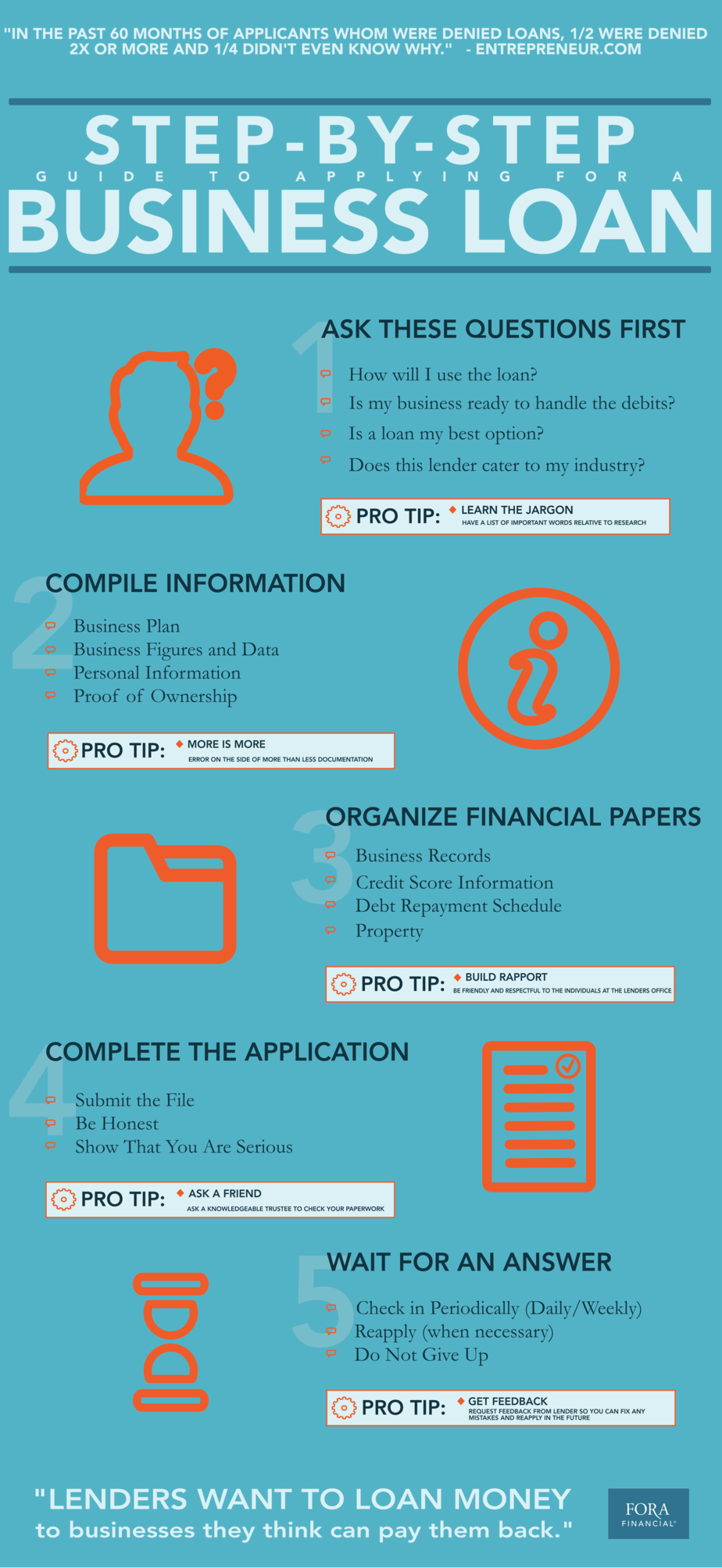
Navigating the application process for a small business loan can seem daunting, but breaking it down into manageable steps makes it easier. Follow these key phases to enhance your chances of approval:
- Gather Necessary Documentation:
- Business plan
- Financial statements (profit and loss, balance sheets)
- Tax returns
- Ownership and business structure documents
- Choose the Right Lender:
Lender Type Pros Cons Traditional Banks Usually lower interest rates Stricter eligibility requirements Online Lenders Faster processing, easier application Higher interest rates Credit Unions Member-focused services, local ties Limited loan options - Complete the Application: Tailor your application by including key information about your business, its purpose, and how the loan will help.
- Prepare for an Interview: Some lenders may require an interview. Be ready to discuss your business model, growth strategies, and previous financial performance.
- Review Loan Offers: Once you receive multiple offers, carefully compare terms, interest rates, and repayment schedules to select the best fit for your business.
By following these steps, you can streamline the small business loan application process and improve your chances of securing the funding you need.
Tips for Securing a Loan Successfully
Securing a small business loan can seem daunting, but with the right strategies, you can increase your chances of approval. Here are some effective tips to help you along the way:
- Know Your Numbers: Have a solid understanding of your financials. Lenders often look for:
- Cash flow statements
- Profit and loss statements
- Balance sheets
- Build a Strong Credit Profile: A solid credit score can significantly enhance your loan approval chances. Aim for a score of 700 or higher.
- Craft a Compelling Business Plan: Detail your business goals, market analysis, and how you plan to use the funds. A well-articulated plan convinces lenders of your viability.
- Gather Required Documentation: Prepare necessary documents such as:
- Tax returns
- Bank statements
- Identification documents
- Shop Around for Lenders: Different lenders have varied requirements and rates. Compare offers to find the best fit for your business.
- Consider a Co-Signer: If your credit is less than ideal, having a co-signer can improve your chances of securing a small business loan.
By following these tips, you’ll position yourself as a valuable borrower and significantly boost your likelihood of securing that essential loan.
İlk yorum yapan siz olun